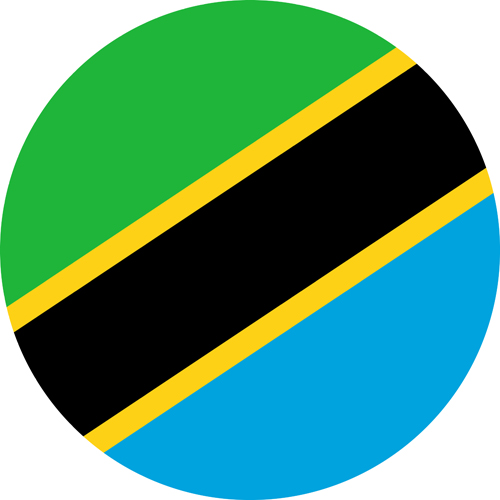
Tanzania
Tanzania is located in East Africa along the Indian Ocean and includes the islands of Zanzibar, Pemba, and Mafia. It borders Kenya and Uganda to the north; Mozambique and Malawi to the south; Zambia to the southwest; and Burundi, Rwanda, and the Democratic Republic of the Congo to the west. The country is larger than the U.S. state of California.
Full Name:
Capital:
Population:
Area:
The United Republic of Tanzania
Dodoma
61.5 million (2024)
947,303 sq. km / 365,756 sq. mi
Tanzania is a remarkable country located in East Africa, celebrated for its breathtaking landscapes, rich cultural heritage, and extraordinary wildlife. Bordered by the Indian Ocean to the east and eight neighboring countries, Tanzania is a land of adventure, beauty, and living history. From golden savannahs to snow-capped mountains, the country is home to some of the world’s most spectacular natural wonders, making it a dream destination for travelers, explorers, and nature lovers.
Tanzania’s landscapes are as dramatic as they are diverse. Mount Kilimanjaro rises proudly above the plains as Africa’s highest peak, challenging climbers and inspiring awe. The vast Serengeti stretches endlessly across the horizon, where millions of wildebeest and zebras thunder across the land during the Great Migration — one of the most breathtaking wildlife events on Earth. Along the coast, warm ocean breezes meet white sandy beaches, offering a peaceful contrast to the wild interior.
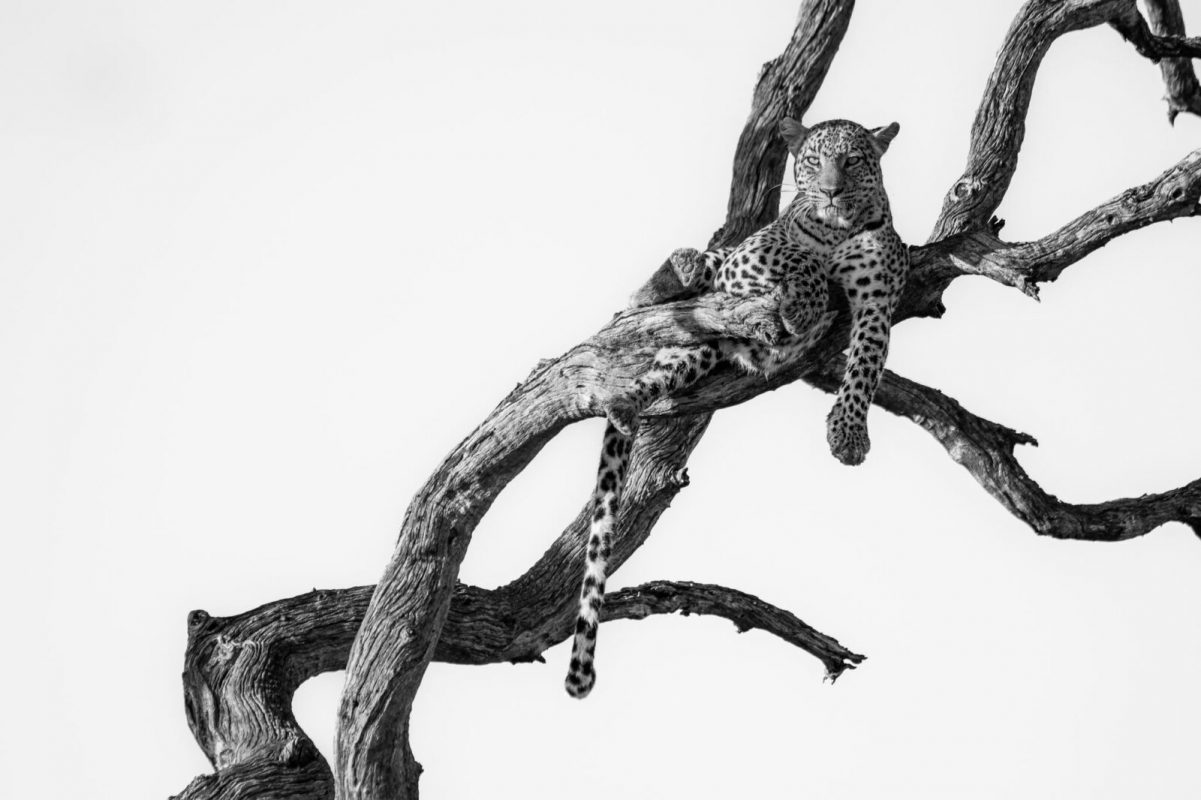
Wildlife is at the heart of Tanzania’s global identity. The country’s national parks and conservation areas protect an incredible variety of animals, including lions, elephants, giraffes, and rhinos. These protected landscapes allow nature to thrive and give visitors the rare opportunity to witness animals roaming freely in their natural environment.
Equally powerful is Tanzania’s cultural richness. With over one hundred ethnic groups, the country is a vibrant mosaic of traditions, languages, and customs. Swahili unites the nation and reflects a deep sense of shared identity. Music, dance, storytelling, and colorful festivals bring communities together and keep ancient traditions alive.
Tanzania’s economy is driven by agriculture and tourism, both deeply connected to the land. Farmers cultivate crops such as coffee, tea, and cashew nuts, while tourism fuels growth through safaris, mountain expeditions, and beach escapes. Together, these industries support livelihoods and showcase Tanzania’s natural and cultural treasures to the world.
In the end, Tanzania is more than a place on a map — it is an experience. A country where nature roars, cultures thrive, and landscapes inspire wonder. It truly stands as the beating heart of East Africa.
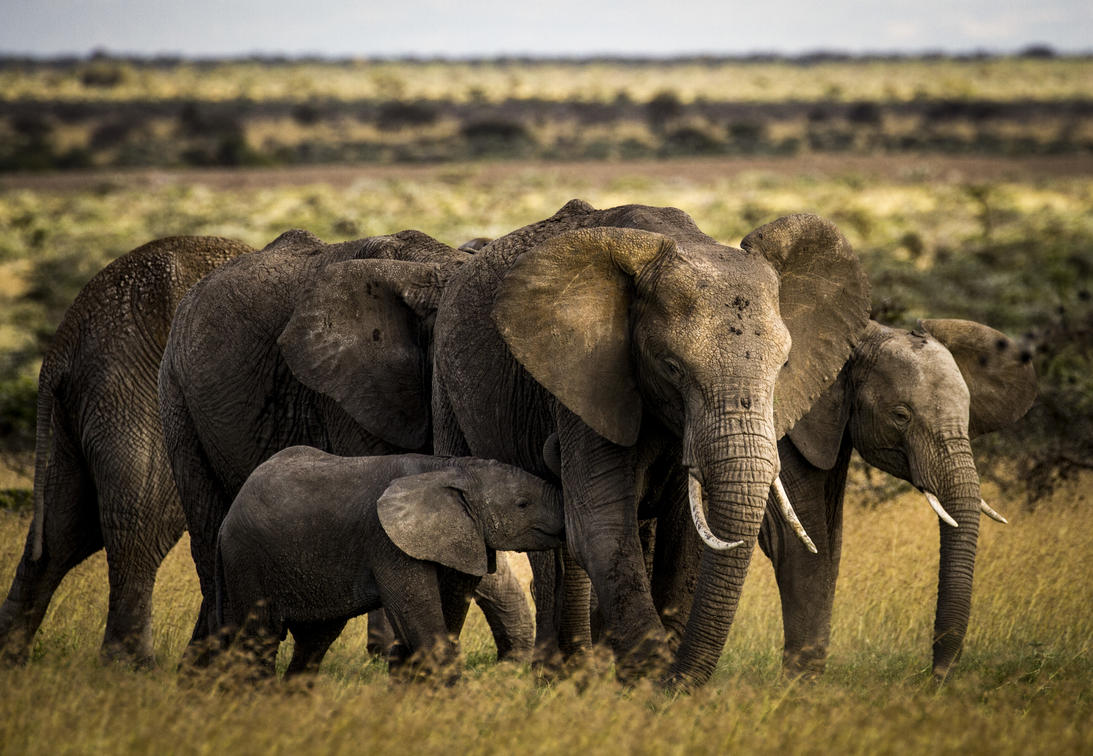
BEST TIME TO TRAVEL
The best time to travel to Tanzania depends on what you want to experience, but overall, the most popular and reliable period is the dry season.
🌞 Best Overall Time: June to October
-
-
This is the peak travel season
-
Weather is dry and pleasant
-
Best time for wildlife safaris — animals gather around water sources
-
Excellent visibility in national parks like the Serengeti and Ngorongoro
-
Ideal for climbing Mount Kilimanjaro
-
🐃 Best Time for the Great Migration
-
-
June–July: River crossings begin (dramatic and exciting)
-
August–September: Famous Mara River crossings
-
January–February: Calving season in the southern Serengeti (lots of baby animals and predators)
-
🌴 Best Time for Beaches (Zanzibar & Coast)
-
-
June to October and January to February
-
Warm temperatures, low humidity, calm seas
-
🌧️ Rainy Seasons (Less Popular but Cheaper)
-
-
March to May: Long rains (lush scenery, fewer tourists, but some roads may be difficult)
-
November: Short rains (brief showers, still good for travel)
-
💡 Quick Summary
-
- Best all-round: June–October
- Best budget travel: November or March
- Best wildlife drama: July–September
- Best beaches: January–February or June–October
Currency and Foreign Exchange
The currency is Tanzania Shilling that is subdivided into 100 cents. MasterCard and Visa are usually accepted throughout Tanzania however, Diner’s Club and American Express are not.
Languages in Tanzania
There are approximately 126 languages and dialects in Tanzania however; the official languages are Swahili and English, while the remaining languages are developing, are vigorous, are endangered or dying. English is the main language in the tourism sector.
Passports and Visa
Visitors to Africa must have a passport that is valid for at least 6 months beyond your intended departure date, together with onward travel documents, proof of accommodation and sufficient funds for the duration of your stay. Please also ensure that you have sufficient blank visa pages (not endorsement pages) in your passport, with at least 2 consecutive/side by side blank pages. Our recommendation is 3 pages (or even 4 if you are travelling through more than one country on your journey).
Visas are the responsibility of the traveller. Those nationalities that require visas to enter Tanzania may have to apply for these in advance; however, some nationalities are able to obtain these on arrival at the port of entry. Costs and requirements also vary depending on the nationality of your passport.
We recommend you visit the Tanzania Embassy website in your country of residence for up-to-date travel information, projectvisa.com and smartraveller.gov.au or the equivalent government travel website in the country of residence stated in your passport. Sasiani African Safaris is not responsible for the content thereof.